Prostate Cancer
For prostate cancer, robotic surgery, radiotherapy, hormone therapy, and active surveillance are coordinated as a personalized plan across our accredited network.
What is prostate cancer?
Prostate cancer forms from the uncontrolled growth of cells in the prostate — a gland below the bladder in men that produces part of the seminal fluid.
It is one of the most common cancers in men. Most prostate cancers grow slowly, while some can be aggressive, so risk classification and a personalized approach matter.
What are the types of prostate cancer?
The vast majority are adenocarcinomas; aggressiveness is graded by the Gleason score:
Causes and risk factors
Main risk factors:
- Older age (especially over 50)
- Family history of prostate cancer
- Genetic predisposition (BRCA mutations)
- African ancestry
- Obesity and a sedentary lifestyle
What are the symptoms of prostate cancer?
Often no symptoms early on. Later it may cause:
- Frequent urination, especially at night
- Difficulty starting urination or a weak stream
- Blood in urine or semen
- Burning during urination
- Bone pain (hip, back) in advanced disease
What are the stages of prostate cancer?
Staging is based on spread:
Risk is assessed together with PSA level and Gleason score.
How is prostate cancer diagnosed?
Diagnosis is confirmed by biopsy after blood testing and exam:
- PSA (prostate-specific antigen) blood test
- Digital rectal examination
- Multiparametric prostate MRI
- Fusion (MRI-ultrasound) biopsy with pathology
Imaging methods in prostate cancer
For diagnosis and assessing spread:
- Multiparametric MRI
- PSMA PET-CT (highly sensitive spread assessment)
- Bone scan
- Computed tomography (CT)
Prostate cancer treatment methods
Treatment is planned by risk group, age, and patient preference:
Every patient and every tumor is different
No single treatment is right for everyone; the best plan depends on your exact diagnosis, stage, and tumor characteristics. At Capital Oncology Group, we arrange a free second opinion from board-certified oncologists to review your case.
Prognosis and survival rates
Prostate cancer generally has one of the best prognoses among cancers. In disease confined to or near the prostate, 5-year survival approaches nearly 100%; with distant metastasis it falls to about 34%.
Many slow-growing tumors may not affect lifespan. Accurate risk classification helps avoid unnecessary treatment while treating aggressive tumors in time.
How to reduce prostate cancer risk
Approaches that help with risk reduction and early detection:
- Regular PSA checks after age 50 (earlier if at risk)
- Healthy weight and a balanced diet
- Regular physical activity
- Discussing a screening plan with your physician if you have a family history
Frequently asked questions
Does a high PSA always mean cancer?
No. PSA can rise with benign enlargement, infection, or inflammation. Evaluation is done with MRI and, if needed, biopsy.
Is active surveillance safe?
In low-risk tumors, with regular follow-up, it is a safe option that avoids unnecessary side effects.
Will surgery cause incontinence or impotence?
Robotic surgery reduces these risks; outcomes depend on the patient and tumor. Choosing an experienced center matters.
Should I get a second opinion?
Prostate cancer offers many options from surveillance to surgery; an independent review helps you choose the best path.
More on this treatment

Robotic Surgery in Cancer: Which Cancers Benefit
What a surgical robot does and does not do, the cancers where it changes recovery, and how to judge a surgeon rather than a machine.
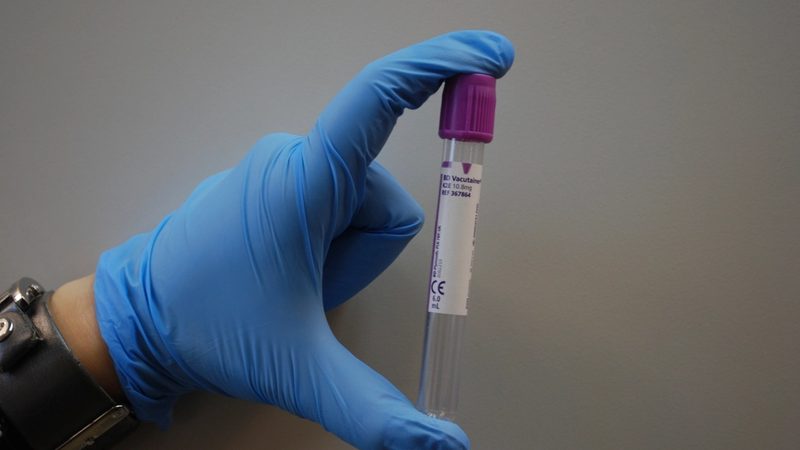
PSA Test Explained: What a High Number Really Means
Most men with a raised PSA do not have cancer. What the number measures, what else raises it, and how MRI changed the pathway before biopsy.
Ready for a plan built around you?
Start with a free, no-obligation second opinion from a board-certified oncologist. Have your case reviewed and every option explained clearly.
Get a FREE Second OpinionThis page provides general information about prostate cancer; it is not a substitute for medical advice, diagnosis, or treatment. All treatments are provided by independent, accredited hospitals and licensed physicians. Your treatment decision should be made by a qualified physician based on your individual situation.