Radiotherapy
In radiotherapy, advanced techniques such as proton therapy, IMRT, and SBRT are coordinated to target the tumor while protecting healthy tissue across our accredited network.
What is radiotherapy?
Radiotherapy (radiation therapy) is a treatment that uses high-energy rays to damage the DNA of cancer cells and stop them from multiplying.
It is one of the core methods of cancer treatment; it can be used alone, with surgery, or with chemotherapy. Advanced techniques let the tumor receive a high dose while surrounding healthy tissue is spared.
What are the types of radiotherapy?
The main methods by how the radiation is delivered:
How is radiotherapy delivered?
Treatment is prepared individually through a careful planning process:
- Simulation: mapping the treatment area with CT
- Planning: physicist and oncologist determine dose and fields
- Delivery: usually short, painless daily sessions
- Number of sessions: from a few days to a few weeks depending on the treatment
- Follow-up: monitoring treatment response and side effects
Which cancers is it used for?
Radiotherapy is used effectively in many cancers:
- Breast, lung, prostate, and head-neck cancers
- Cervical and other gynecological cancers
- Brain tumors (with SRS/SBRT)
- Some blood cancers such as lymphoma
- For palliative purposes to control pain and symptoms
Side effects of radiotherapy
Side effects vary by treatment area and dose; most are temporary:
- Skin redness and irritation in the treatment area
- Fatigue
- Regional effects (e.g., dry mouth or throat irritation in head-neck)
- Nausea (in abdominal treatments)
- Modern techniques largely protect healthy tissue
Advantages of modern radiotherapy
Advanced techniques make treatment safer and more effective:
Every patient and every tumor is different
No single treatment is right for everyone; the best plan depends on your exact diagnosis, stage, and tumor characteristics. At Capital Oncology Group, we arrange a free second opinion from board-certified oncologists to review your case.
Frequently asked questions
Is radiotherapy painful?
No. There is no pain during irradiation; sessions usually last a few minutes.
Will I emit radiation after radiotherapy?
With external radiotherapy your body does not emit radiation; there is no risk to those around you.
Will I lose my hair?
Hair loss occurs only in the area being irradiated, not all over the body (unlike chemotherapy).
Should I get a second opinion?
The radiotherapy technique and dose affect outcomes; an independent radiation oncologist review helps define the best plan.
More on this treatment
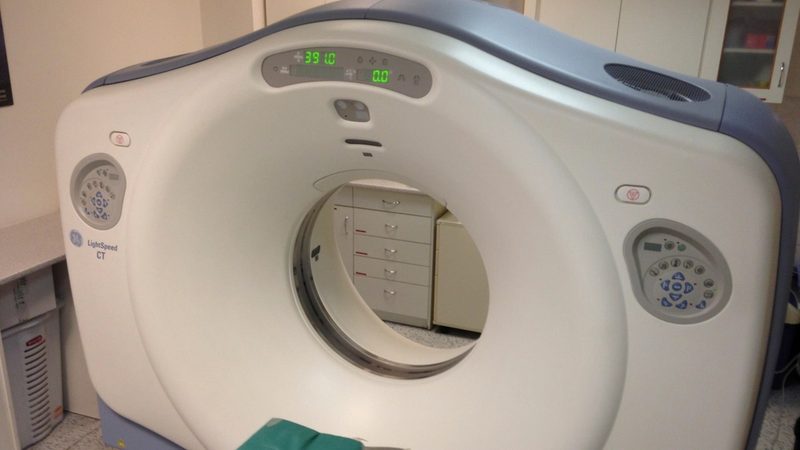
Chemotherapy vs. Radiotherapy: What Is the Difference?
One treats the whole body, the other one place. How chemotherapy and radiotherapy work, when each is used, and why many patients receive both.
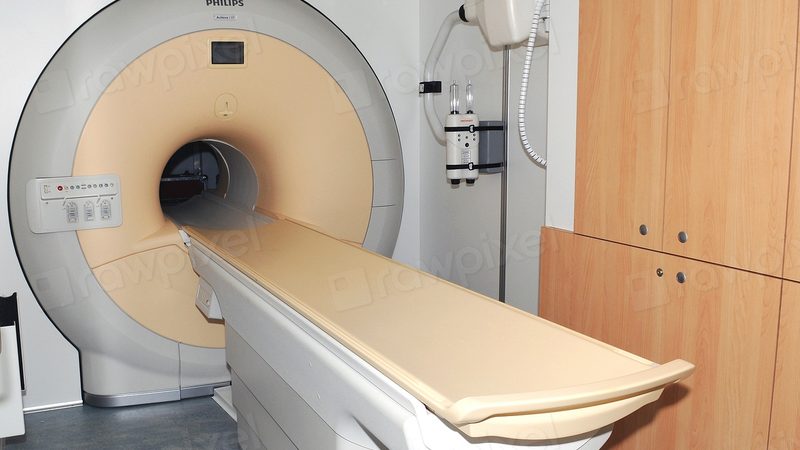
Proton Therapy: Cost, Centres and Who Genuinely Needs It
Protons stop inside the tumour instead of passing through the body. Where that changes outcomes, where photon techniques match it, and what it costs.
Ready for a plan built around you?
Start with a free, no-obligation second opinion from a board-certified oncologist. Have your case reviewed and every option explained clearly.
Get a FREE Second OpinionThis page provides general information about radiotherapy; it is not a substitute for medical advice, diagnosis, or treatment. All treatments are provided by independent, accredited hospitals and licensed physicians. Your treatment decision should be made by a qualified physician based on your individual situation.